
Accessible yoga / Mindful spaces
Sensory-Friendly Yoga at Home: Practice Without the Overwhelm
You do not need a picture-perfect yoga space. You need a place where your body feels welcome and your senses have room to settle.
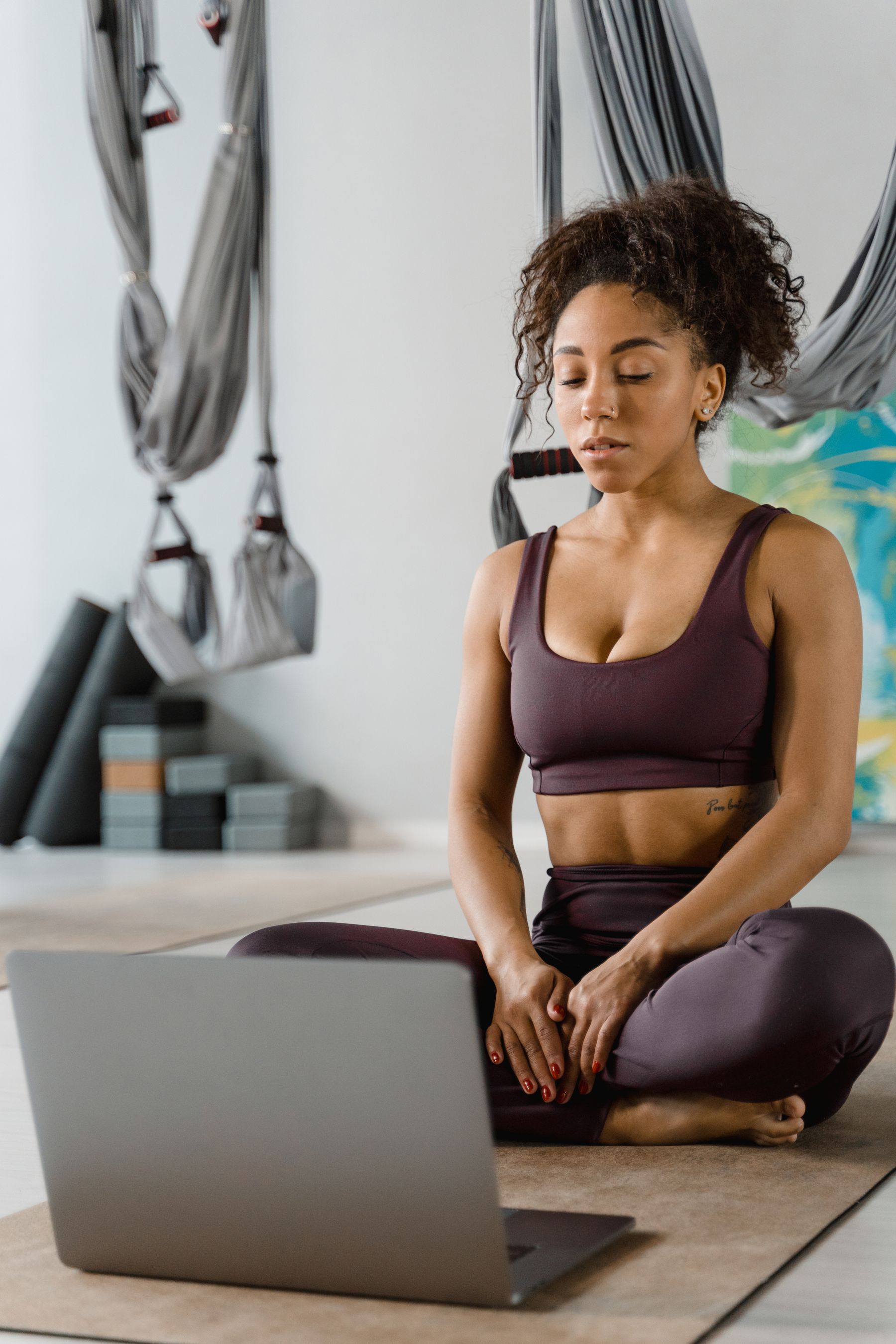
A yoga class can offer music, movement, thoughtful guidance, and the warmth of community. Sometimes, though, those same details can feel overwhelming. One person's soothing playlist is another person's distraction. A cue to close your eyes might be relaxing for one student and uncomfortable for someone else.
This is where sensory-friendly yoga at home can make a real difference. Instead of trying to fit yourself into a prescribed atmosphere, you can adjust the atmosphere to support your own practice. There is no single sensory-friendly setup because there is no single way to experience sound, light, touch, or movement.
What does sensory-friendly yoga mean?
In everyday terms, it means noticing which sensations help you feel present and which ones make practice harder. You might prefer a dim room, clear verbal instructions, no background music, or a firm blanket beneath your knees. Someone else may love daylight and rhythmic sound.
You do not need a diagnosis or special equipment to make these choices. You simply get to pay attention. Yoga already gives us a language for that: awareness, breath, and finding a steadier relationship with our own experience.
A sensory-friendly approach is not medical treatment, and yoga is not a replacement for individualized care. It is a practical way to make movement more approachable, especially if traditional class environments have felt too busy.
Shape the space around your senses
Light you can choose
If bright overhead lights feel harsh, try a lamp or soft natural light. If dimness makes you sleepy or uneasy, keep the room bright. You could face away from a window, adjust a curtain, or practice in a different corner of the room. Small changes matter more than a picture-perfect yoga studio.
Sound that supports instead of competes
Practice in silence, or choose music without lyrics if that feels easier. On Zoom, set your volume where the teacher is clear without being overwhelming. If you use headphones, make sure you can still hear what you need around you.
Comfortable contact with the floor
Some mats feel sticky; others feel too soft. A towel, blanket, or folded cushion may help you find better support. There is no prize for ignoring a scratchy fabric or kneeling on a surface that hurts. Try the props you already own before buying anything new.
Try a gentle sensory-aware sequence
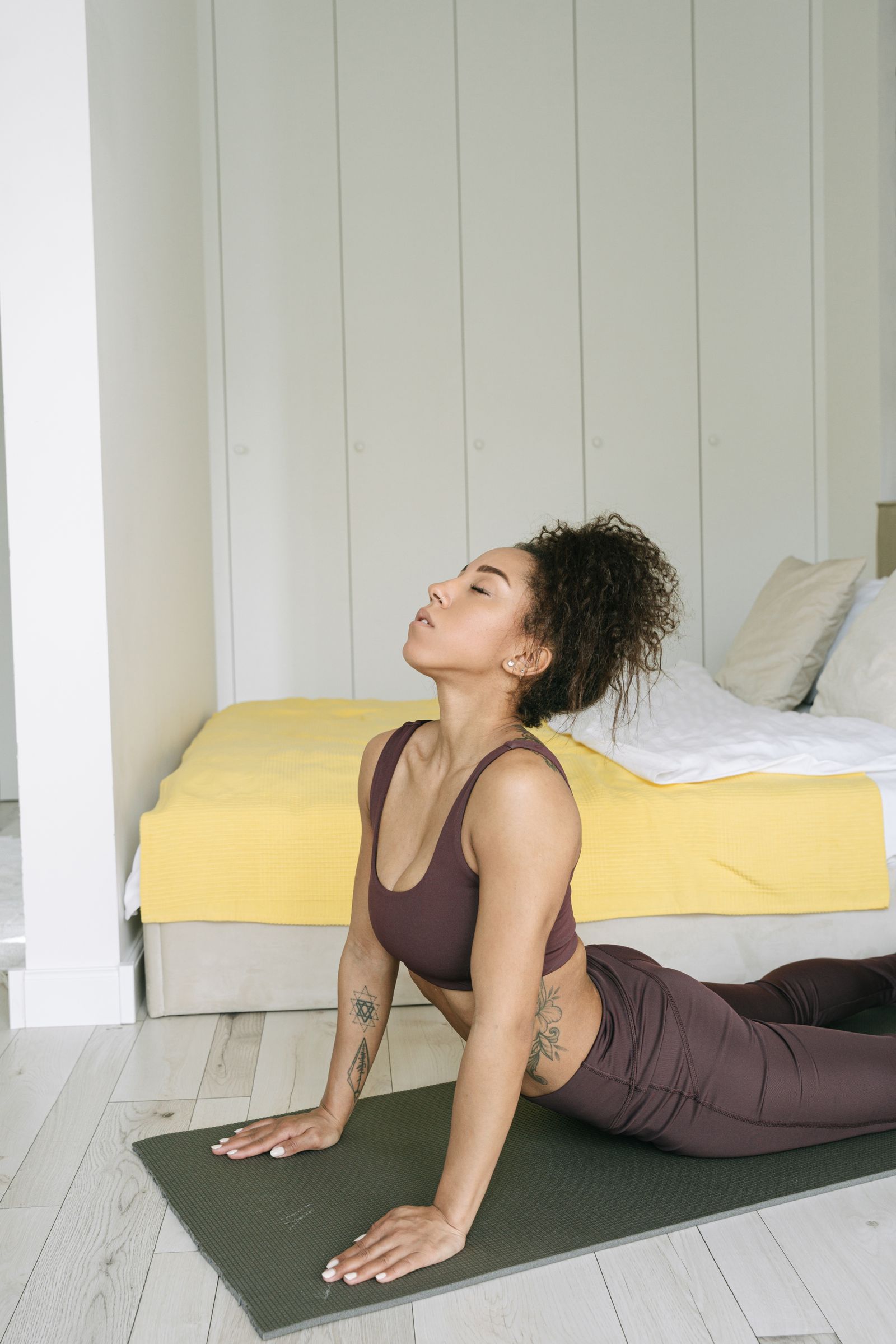
Begin seated, standing, or lying down—whichever position feels most settled. Keep your eyes open if that helps you orient yourself. You can stop at any point.
Notice three points of support
Feel your feet against the floor, your hands resting on your lap, or your back against a cushion. Give yourself a few moments without chasing a particular breathing pattern.
Move with choice
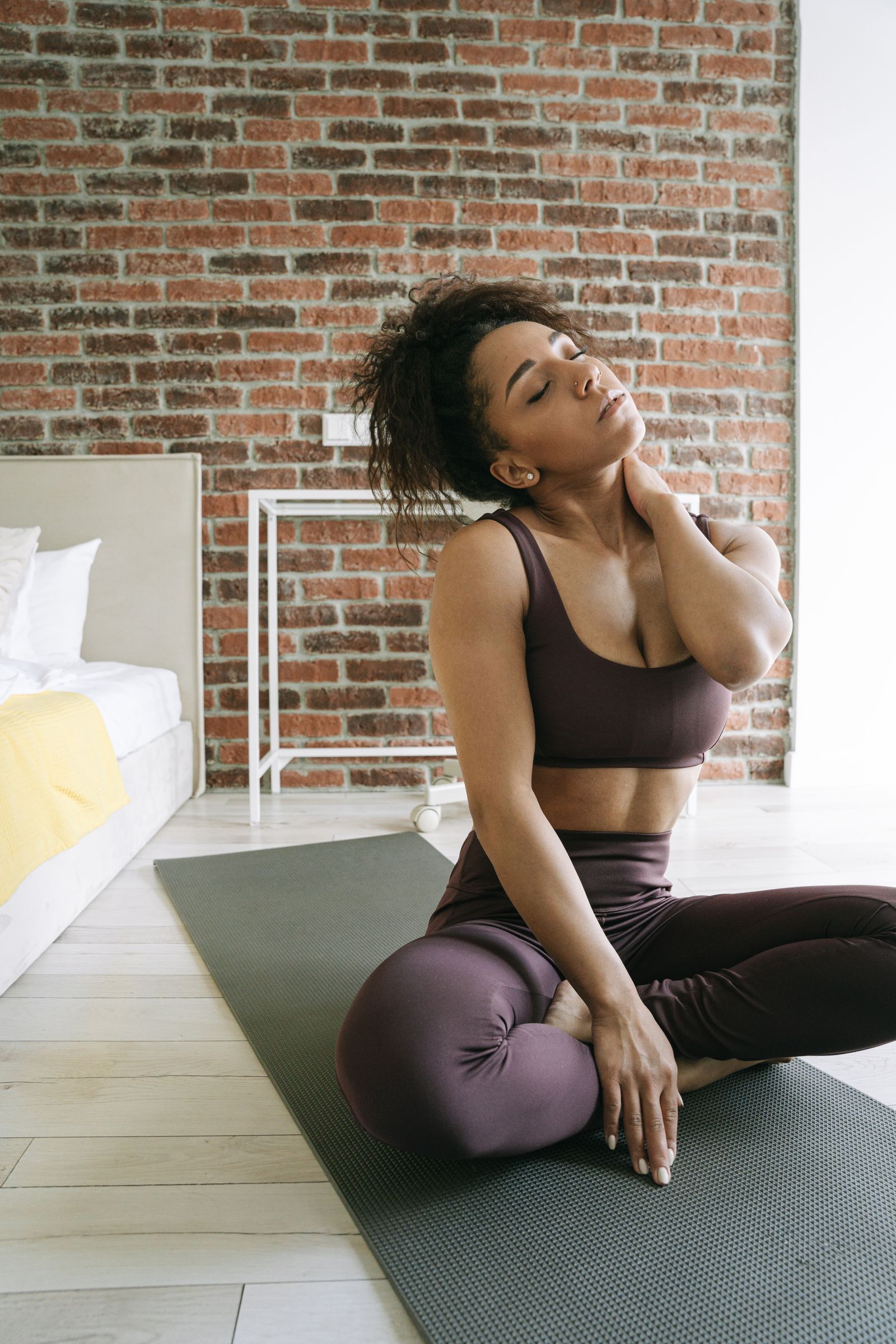
Roll your shoulders gently, stretch your arms if it feels good, and return to center. You might experiment with a small side bend, a supported forward fold, or simply standing tall. The shape is less important than having the option to adjust it.
Close the practice your way
Instead of an obligatory long stillness, choose what feels supportive: one quiet breath, a short rest, a walk around the room, or a sip of water. There is no requirement to close your eyes or hold a pose longer than your body wants.
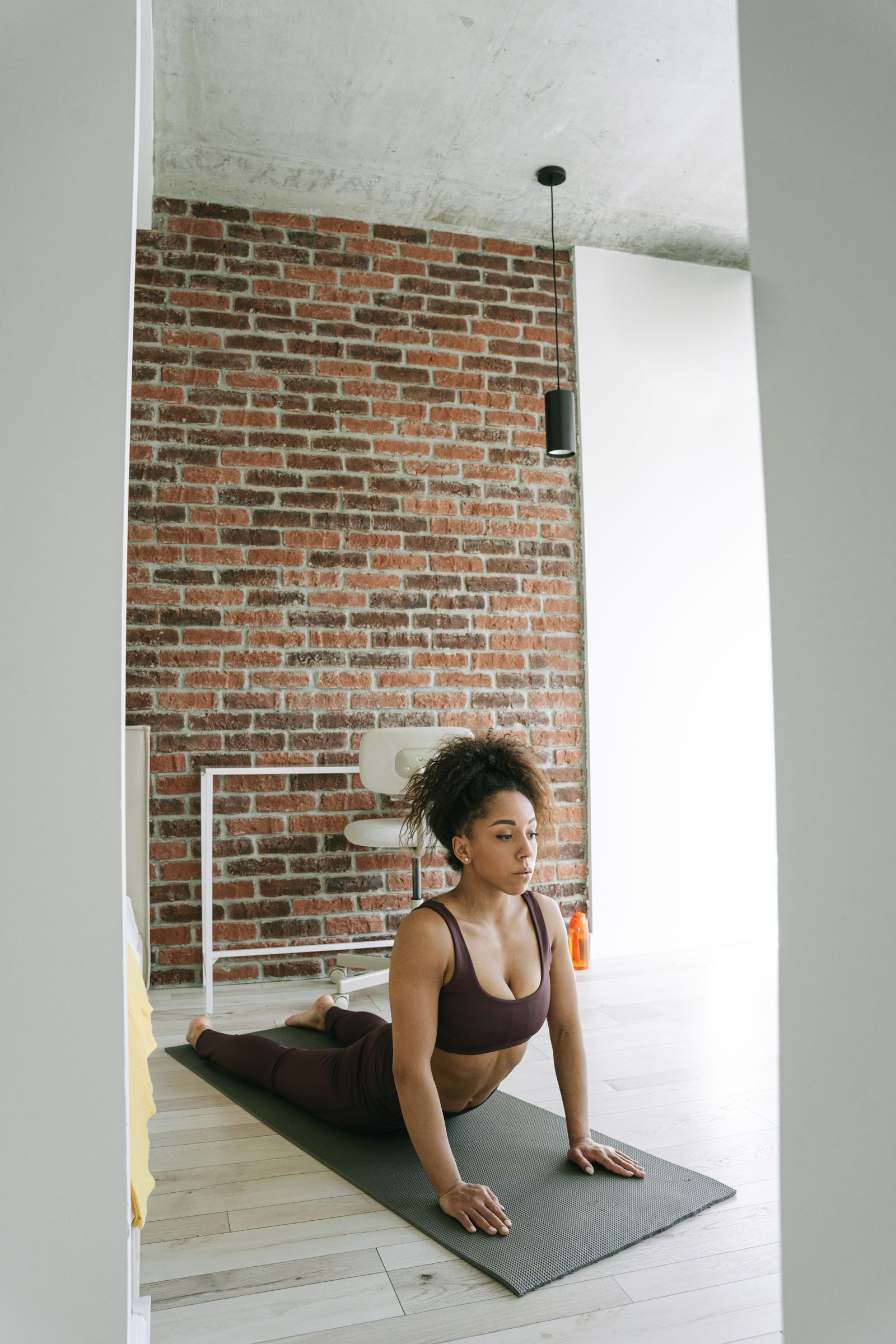
How to make a live Zoom yoga class work for you
Online classes can offer something valuable: control over your immediate environment while still practicing with others. Before class, position the screen where you can see it without twisting your neck. Keep your props nearby. Choose the speaker volume and lighting that work for you.
Remember that accessible practice includes rest and modification. Radha Yoga LA's Beginners Flow and Breathe & Restore are welcoming entry points if you would like guidance at a gentler pace. You can also compare all of our class styles before joining.
For an overview of yoga research and general safety considerations, see the NCCIH guide to yoga. When adapting movement for a specific health condition or injury, ask an appropriately qualified professional for individualized advice.
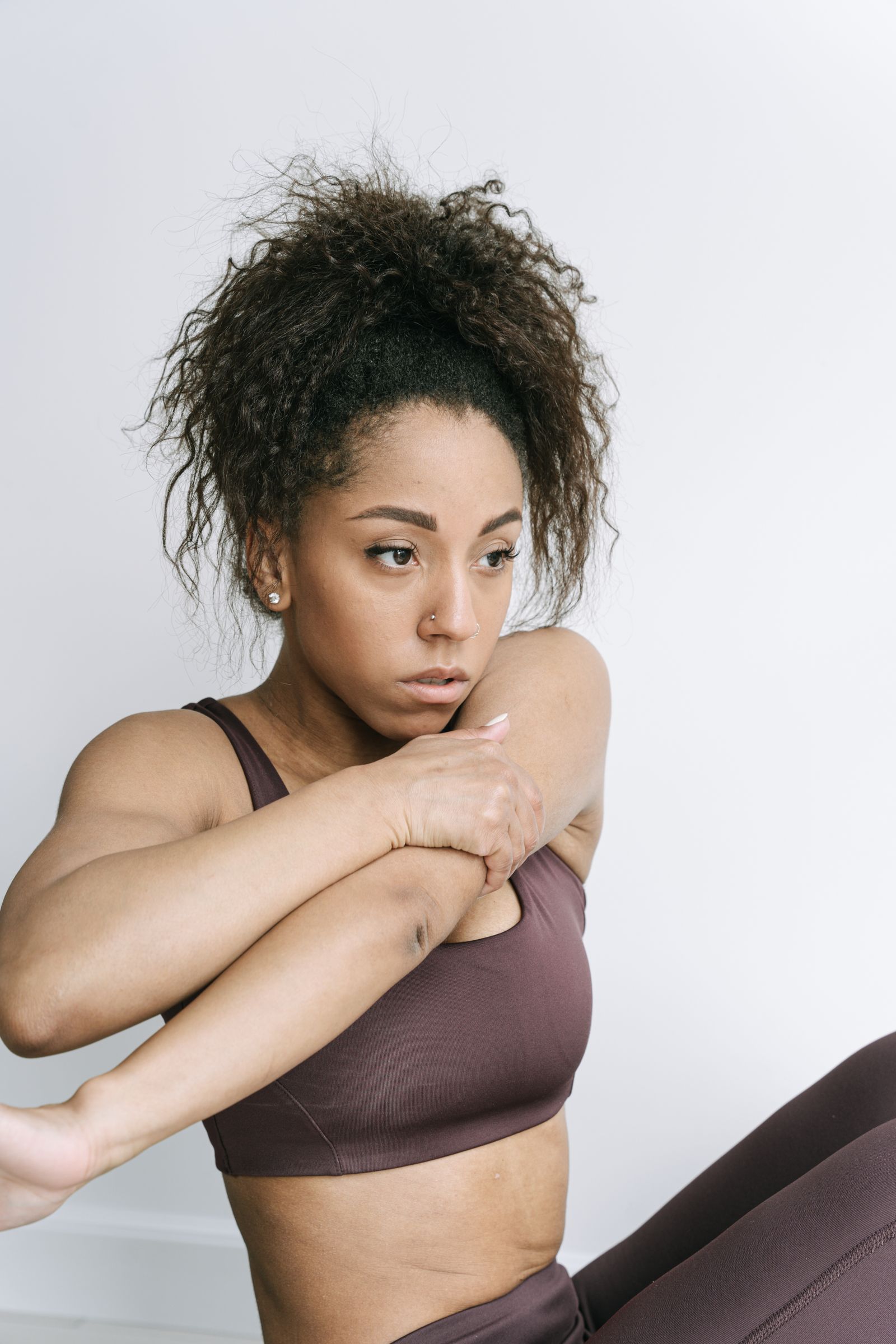
Permission to practice differently
Some days, you might enjoy music and a flowing sequence. On quieter days, a chair and a few minutes of movement may feel better. Neither experience makes you more or less of a yogi.
Yoga is a relationship built through returning. It is not a demand to override your senses. Make space for curiosity, give yourself a choice, and remember that your own experience belongs in the room.
If you want to practice alongside others without leaving your familiar space, explore Radha Yoga LA's live Zoom schedule. Come as you are, and adapt the practice to meet you there.