
Everyday mindfulness / Gentle yoga
Yoga for Decision Fatigue: A Practice for Days When Your Mind Feels Full
Some days, choosing what to make for dinner feels like one decision too many. Your yoga practice does not need to add another demand.
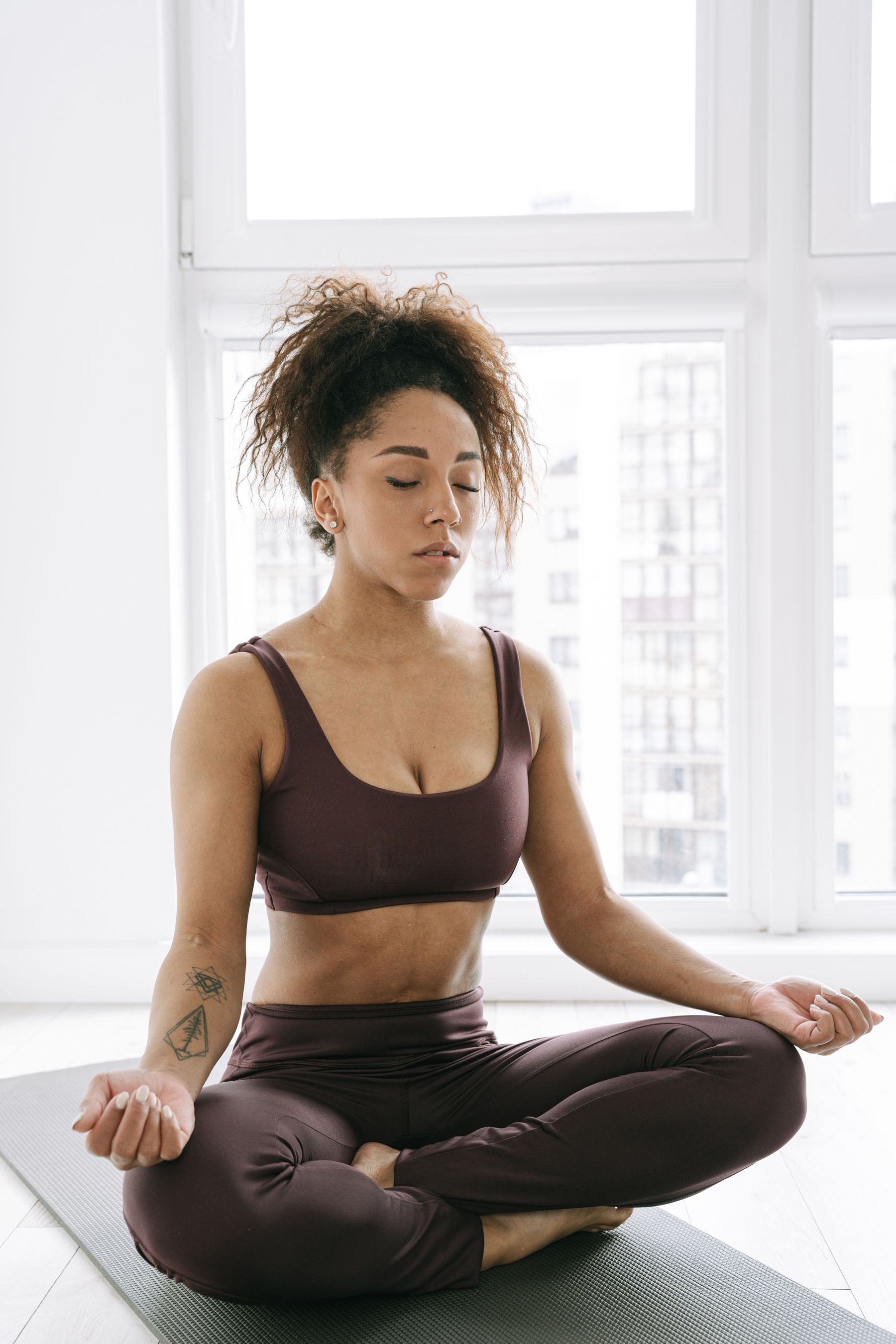
Sometimes the hardest part of yoga is deciding to begin. You have already answered emails, settled little disagreements, organized tomorrow, and made a hundred choices you can barely remember. By the time you get a quiet moment, even picking a class or a pose feels exhausting.
That familiar mental heaviness is often called decision fatigue. It is a useful everyday description, not a diagnosis. And although yoga cannot make the demands of modern life disappear, it can offer a different kind of moment: one where you do not have to optimize, improve, or choose the perfect thing.
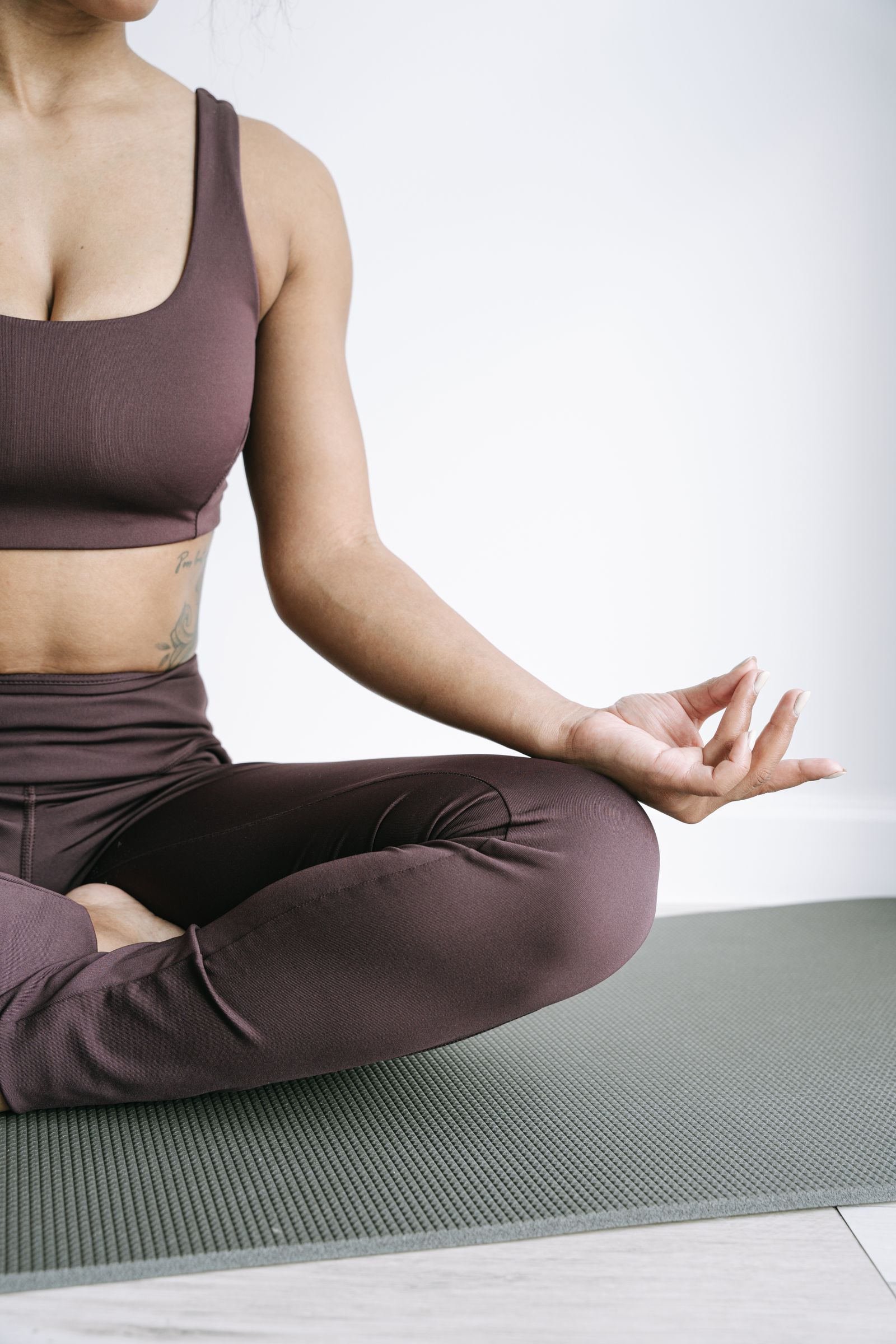
When every choice feels big
Our minds do plenty of unseen work. A full day might include navigating other people's needs, keeping up with schedules, and making constant small adjustments. There is no single scientific test for “decision fatigue” that explains everyone's experience, but the feeling of being mentally worn out is recognizable.
When I think about a gentler practice for days like this, I think less about adding an ambitious new routine and more about creating a little breathing room. A yoga mat can become a place where the next step has already been chosen for you.
The aim is not to chase a dramatic change of mood. It is to offer a small, steady transition between doing and being.
Try a yoga practice without more decisions
For the next ten minutes, you can follow the same order every time. If a position does not feel comfortable, skip it. That is the only decision you need to make.
1. Arrive as you are
Sit on a cushion, stand with both feet on the ground, or settle into a chair. Feel the surface supporting you. There is no required posture. Give yourself a minute to notice where you are without trying to fix anything.
2. Move your shoulders gently
Lift and release your shoulders a few times. Let your arms rest again. You can add a small head turn if it feels comfortable, avoiding anything that strains your neck.
3. Reach and return
Reach one arm upward or out to the side. Bring it back. Repeat on the other side. This might be a seated movement or something you do while standing. Stay with an easy range of motion.
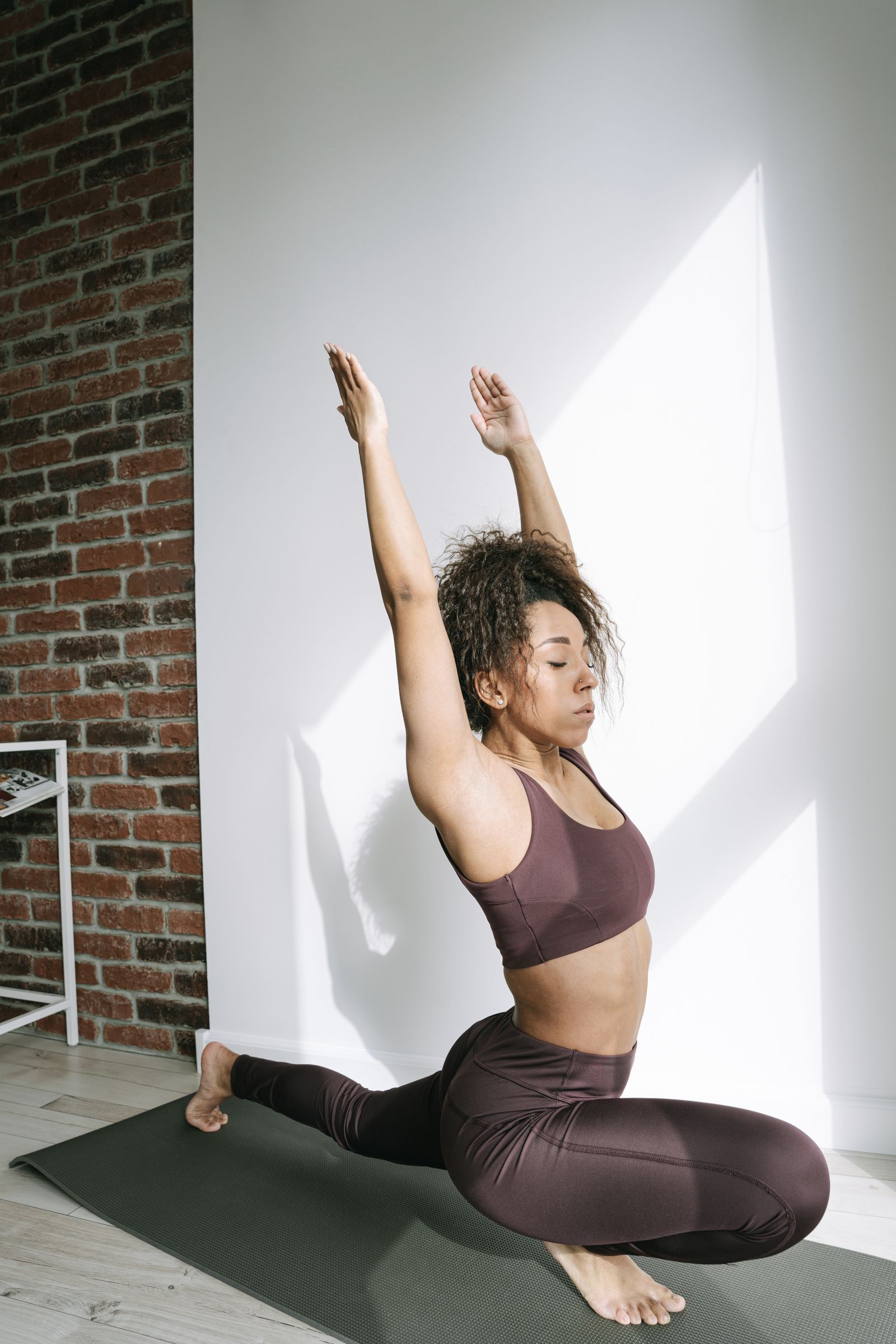
4. Soften into a comfortable rest
Take a supported seat, or lie down if you prefer. Let your hands land somewhere easy. You do not need to keep going until you feel a particular result. Stay for a few unhurried breaths.
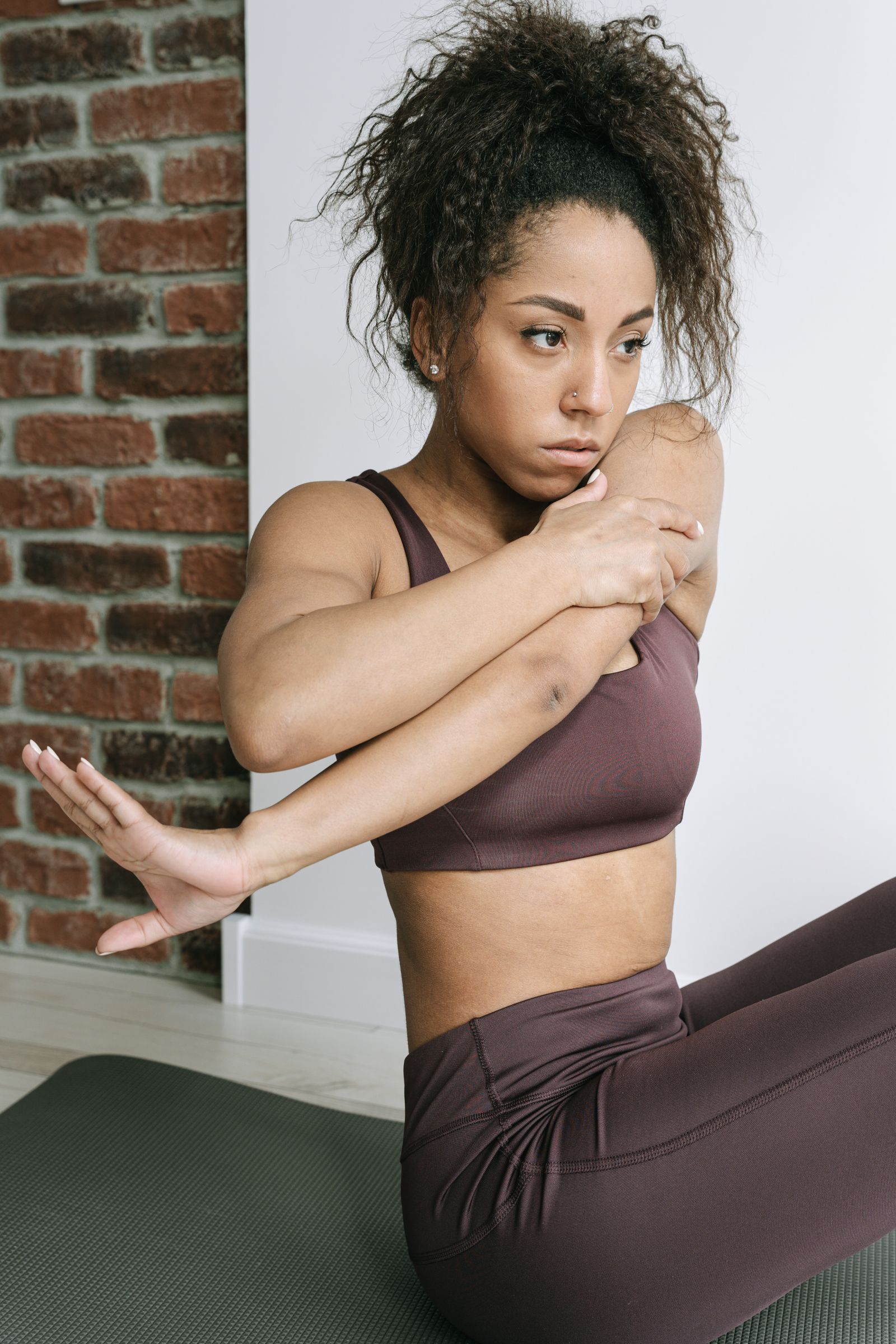
Breathing without a goal
Breathwork can become another thing to get “right.” If counting breaths makes you tense, skip the counting. Notice an inhale, notice an exhale, and allow breathing to settle at its own pace.
If you enjoy gentle guidance, you might try the quieter pace of Breathe & Restore, a Radha class centered on breath and supported rest. You can also read the NCCIH overview of yoga for a balanced look at research and safety.
Make the next step simple
One reason routines are helpful is that they remove the need to start from scratch. Keep a blanket close to your mat. Return to the same two stretches. Pick a regular time that fits your life, but let yourself change it when your day changes.
If you enjoy variety, save that curiosity for when you have energy. On more demanding days, a familiar practice can feel like catching up with a friend who does not need you to explain yourself.
And remember that rest is an option, too. Yoga is not a requirement to be productive, and taking a break can be a perfectly reasonable choice.
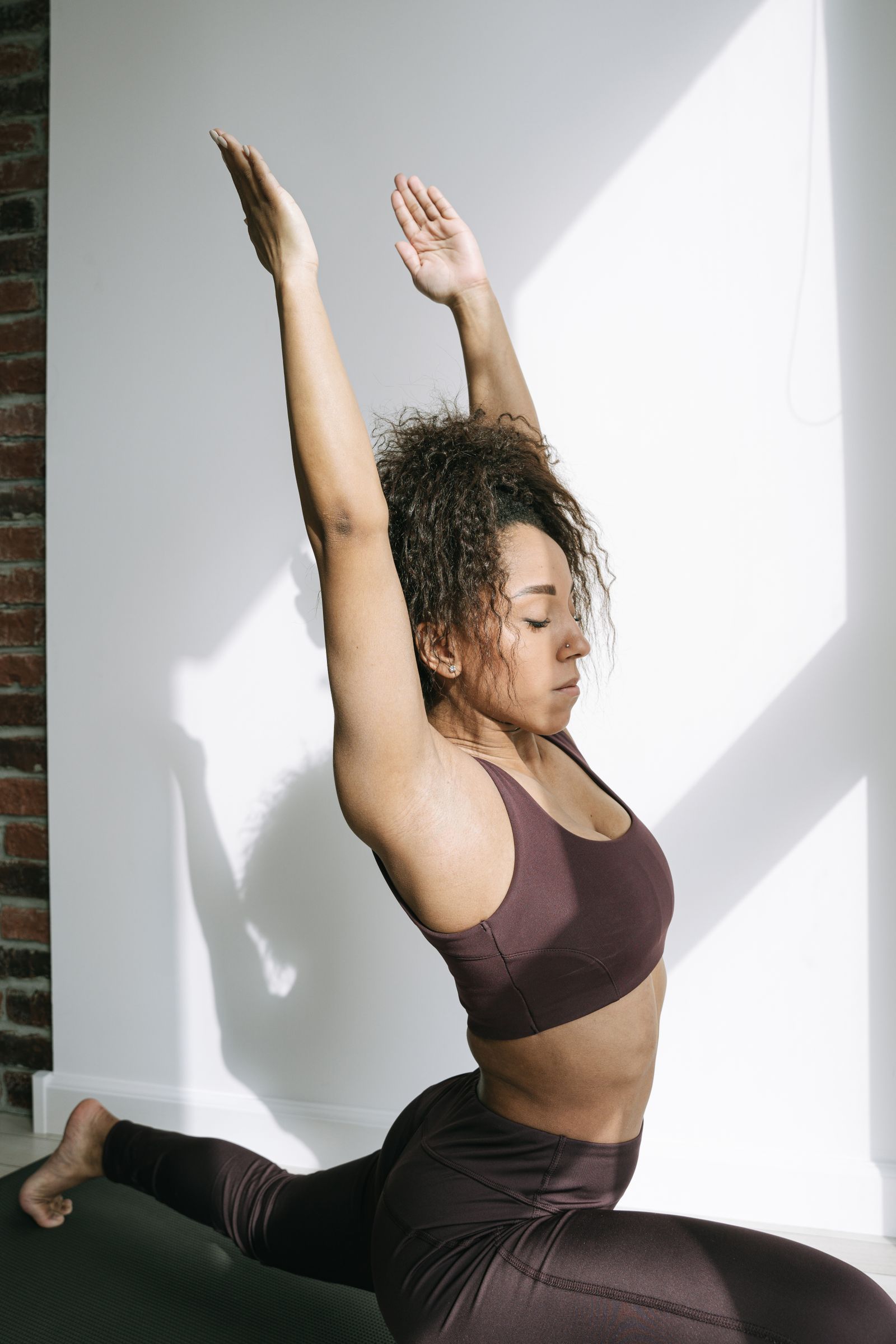
Let someone else guide the next steps
There is something lovely about being guided. You can arrive on your mat without having to plan every transition, and you can move in the company of people practicing from their own homes.
For an approachable place to start, explore Beginners Flow. Or browse Radha Yoga LA's live Zoom schedule and give yourself an hour when the only thing on the agenda is showing up as you are.