
Practice notes / Chioma Sutton
What Is Somatic Yoga? A More Attentive Way to Move
You can move through an entire yoga class thinking about how each pose looks. You can also use that same class to discover how movement feels.
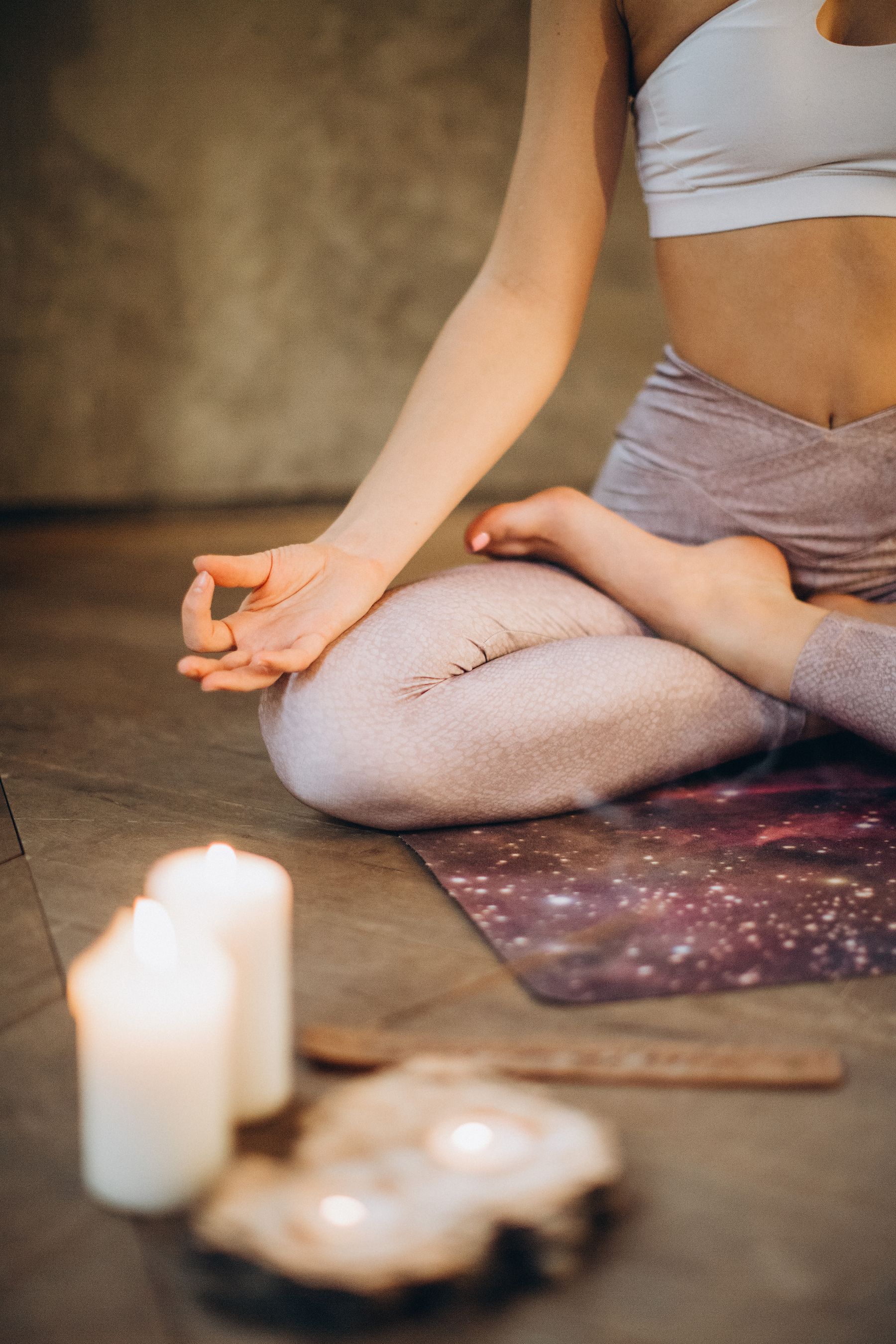
What is somatic yoga?
Where are you working harder than you need to? What changes when you shift your weight? Can you make the movement smaller & feel more in control?
These questions introduce a somatic approach to yoga - learning through your own felt experience.
Somatic yoga brings attention to the internal experience of movement, breath, and stillness. Sensation becomes information you can use to adjust your practice.
The term describes a range of approaches rather than one standardized class format. Some classes emphasize gentle, exploratory movements. Others bring somatic awareness into familiar yoga postures & sequences.
At Radha, that means pairing thoughtful instruction with space to notice, explore, and make choices. Your teacher offers guidance while your experience helps shape your response.
How is somatic yoga different from other yoga?
Many yoga traditions already emphasize awareness, breath, and self-observation. Somatic yoga shares those qualities, with particular attention to how you sense & organize movement from within.
In practice, the difference often lies in the questions being asked.
Alongside “Where does my foot go?” you might explore:
- How does my weight feel across this foot?
- What happens when I soften my grip?
- Can I move into and out of this position deliberately?
- Does this adjustment make breathing feel easier?
A familiar pose becomes an opportunity to learn something specific about yourself.
What does a somatic approach look like in class?
Sometimes, it looks like doing less & noticing more.
In a standing pose, you might shorten your stance and observe whether you feel steadier. During a transition, you might slow down enough to recognize where you usually rely on momentum. In a seated stretch, you might add support and discover that a smaller movement gives you clearer feedback.
These are modest adjustments, but they ask for active participation. You’re learning to recognize your options & choose among them.
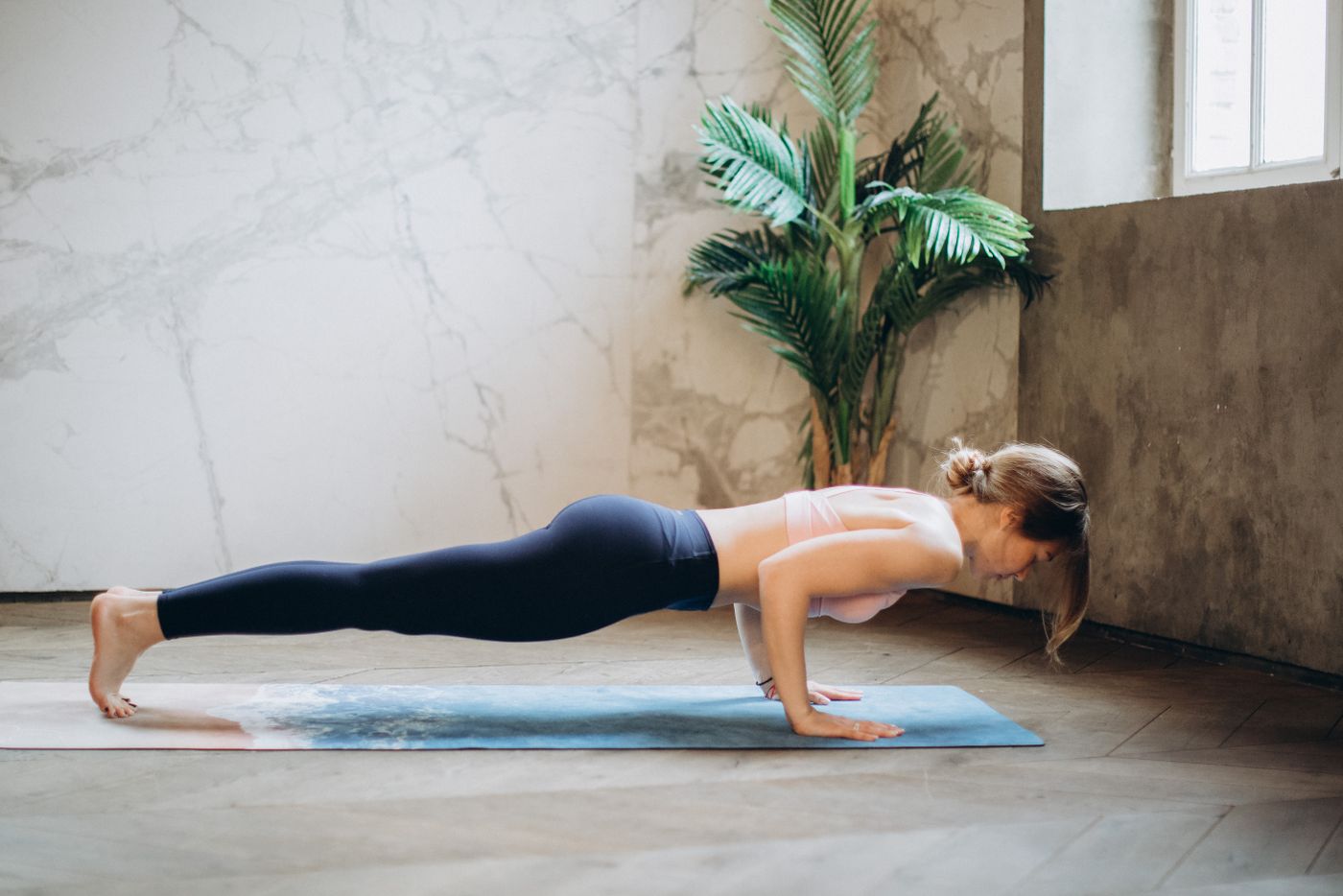
Does alignment still matter?
Yes. A somatic approach can make alignment more meaningful by connecting instruction to experience.
Alignment involves how you arrange & support your body within a movement or posture. Your proportions, available movement, and the purpose of the pose all influence those choices.
In my teaching, I encourage students to explore how a position functions. Can you find support? Can you breathe comfortably? Can you change direction with control?
The aim is to understand the shape you’re making and how it serves your practice.
Is somatic yoga always slow & gentle?
A somatic approach can inform both quiet and active practice.
Slower movement gives you more time to notice details. A stronger sequence asks whether you can maintain that awareness as the effort increases.
In a flow, you might notice how your feet meet the mat or how your breathing changes during a transition. In a sustained stretch, you might explore whether a prop or a small shift makes the position more appropriate for you.
This is part of the relationship between yin and yang - different conditions, with an ongoing invitation to pay attention.
How do I know whether I’m doing it correctly?
Look for a growing ability to notice and respond.
Can you recognize a change in sensation? Understand the options your teacher offers? Make an adjustment without feeling that you’ve failed the pose?
You don’t need an unusual experience or a dramatic release. Sometimes the learning is simple. You discover that a shorter stance feels steadier, or that you’ve been holding your breath while concentrating.
Uncertainty is also useful information. Ask your teacher when an instruction or sensation is unclear.
What should I look for in a somatic yoga class?
Look for a teacher who explains the intention of an exploration, offers choices, and welcomes questions.
Class descriptions should also help you understand the pace & physical demands. “Somatic” alone doesn’t tell you whether a class is restorative, movement-focused, or physically challenging.
If you’re new, let the teacher know. You can also ask how they incorporate body awareness and whether the format suits your experience.
Bring more awareness to your next practice
Begin with one question: “What do I notice?”
Carry it into a familiar movement. Notice your contact with the floor, the pace of your breath, or the amount of effort you’re using. Give yourself time to observe before deciding whether anything needs to change.
That curiosity can make even a familiar practice feel newly informative.
Practice with Radha
Radha’s live online classes combine clear guidance with opportunities to explore your own experience.
In Stretch TF Out, intentional movement & sustained stretches invite you to build heat, explore alignment, and deepen body awareness. Join from your own space and make room for a more attentive practice.
Chioma Sutton is the founder of Radha Yoga LA, a yoga teacher, and a licensed massage therapist with a degree in Health Science. Her teaching brings together movement, bodywork, breath, and cultural expression, with an emphasis on alignment, body awareness, and individual exploration.
Meet Chioma →